An Independent Record of Beginning.
Dalmor Notebook was founded in London in the autumn of 2025 as a place to document the overlooked phase of fitness — the period before any measurable progress is visible. The first walk. The first set of push-ups. The first week of trying.
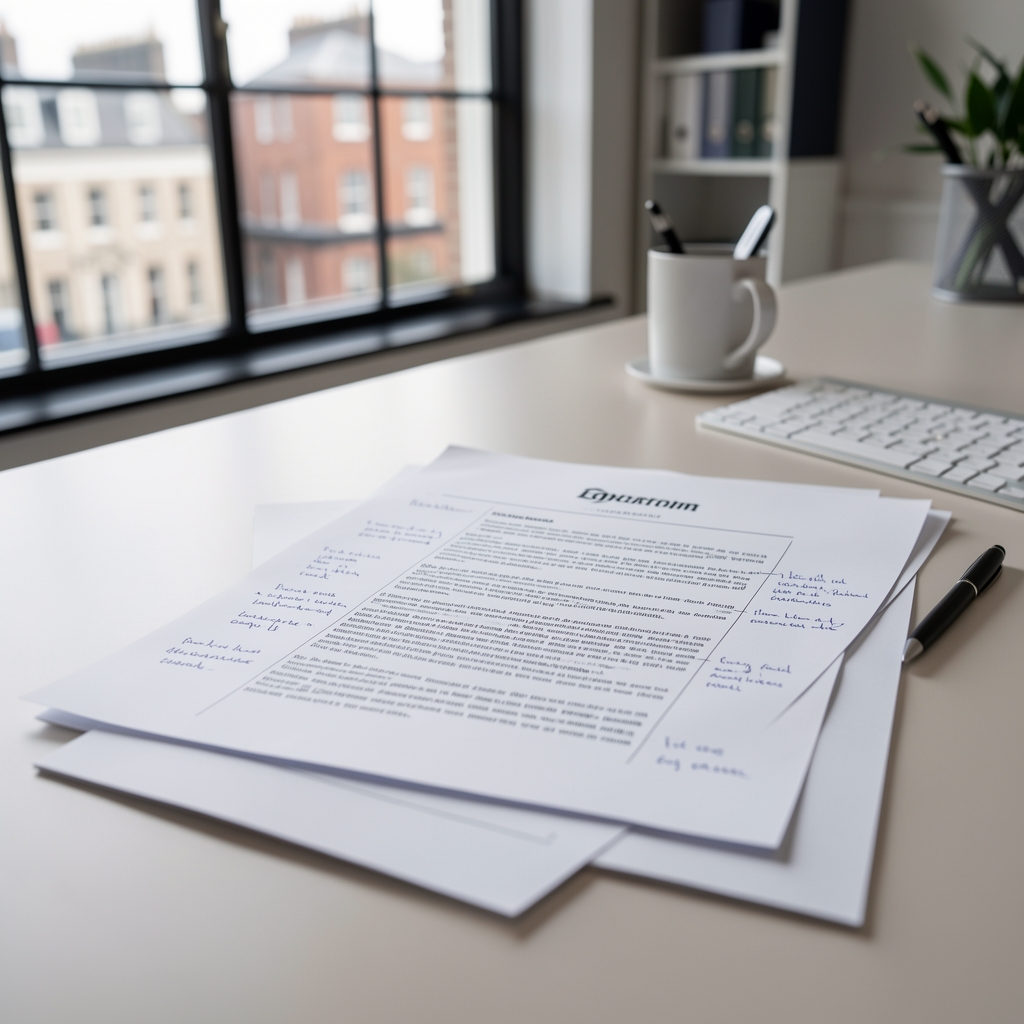
What This Notebook Records.
Most fitness publishing is addressed to people who have already begun. The language of improvement, optimisation, and progression assumes a baseline that new participants have not yet reached. Dalmor Notebook was founded to address an earlier stage — the stage at which the decision to begin is still uncertain, and the first actions are tentative.
The publication covers three primary areas: home workouts for those with no prior structured exercise habit, walking programmes as the most accessible form of daily movement, and bodyweight strength foundations for those beginning without equipment or gym access. Articles are drawn from reader submissions, published exercise science, and the editorial team's own documented practice.
The editorial register is deliberately reportorial. We document what is observed rather than prescribe what should be done. The distinction matters: directive implies expertise and authority over the reader's body; documentation implies observation shared between equals.
"The beginner phase is the phase that fitness culture most consistently fails to serve honestly."

Contributors and Editors.

Eleanor Whitfield
Eleanor has spent the past six years writing about the intersection of everyday life and physical activity. Before Dalmor Notebook, she contributed to three independent lifestyle publications based in London and Bristol. Her own documented movement practice began in 2020 with a fourteen-minute walk.

Tobias Ashcroft
Tobias covers bodyweight strength foundations and the structural architecture of beginner training plans. His research methodology draws on published exercise science and reader-submitted training logs. He has been documenting his own home workout progression since the beginning of 2025.

Harriet Marsden
Harriet contributes occasional long-form pieces on motivation strategy, habit stacking, and the psychological dimensions of starting an exercise routine. Her background is in behavioural observation and independent research. She is based in Edinburgh.
How Articles Are Made.
Each piece begins with a question drawn from reader correspondence or from an observation made during the editorial team's own documented practice. The question is researched against available published sources, then drafted, reviewed by a second editor, and revised before publication.
Reader submissions — personal training logs, movement journals, first-hand accounts of beginning a fitness routine — are collected on an ongoing basis. These form the primary observational material for many articles. Submissions are anonymised unless the reader has specifically consented to attribution.
Reader Correspondence
Questions and observations sent by readers form the primary source for article topics. Recurring themes across multiple submissions are prioritised.
Research and Drafting
The writer researches against published exercise science and reader-submitted movement records, then produces a first draft structured around documented observations.
Editorial Review
A second editor reviews for accuracy, register, and adherence to editorial standards. Any claims requiring published sources must be accompanied by a citation before the piece proceeds.
Publication and Correction
Published pieces are dated and archived. Corrections are logged publicly and the article record is updated. The full process is documented on the Editorial Standards page.
Reader Feedback
Readers are invited to respond to published articles by email. Responses that add substantive observation are noted in the article record and may inform subsequent writing.

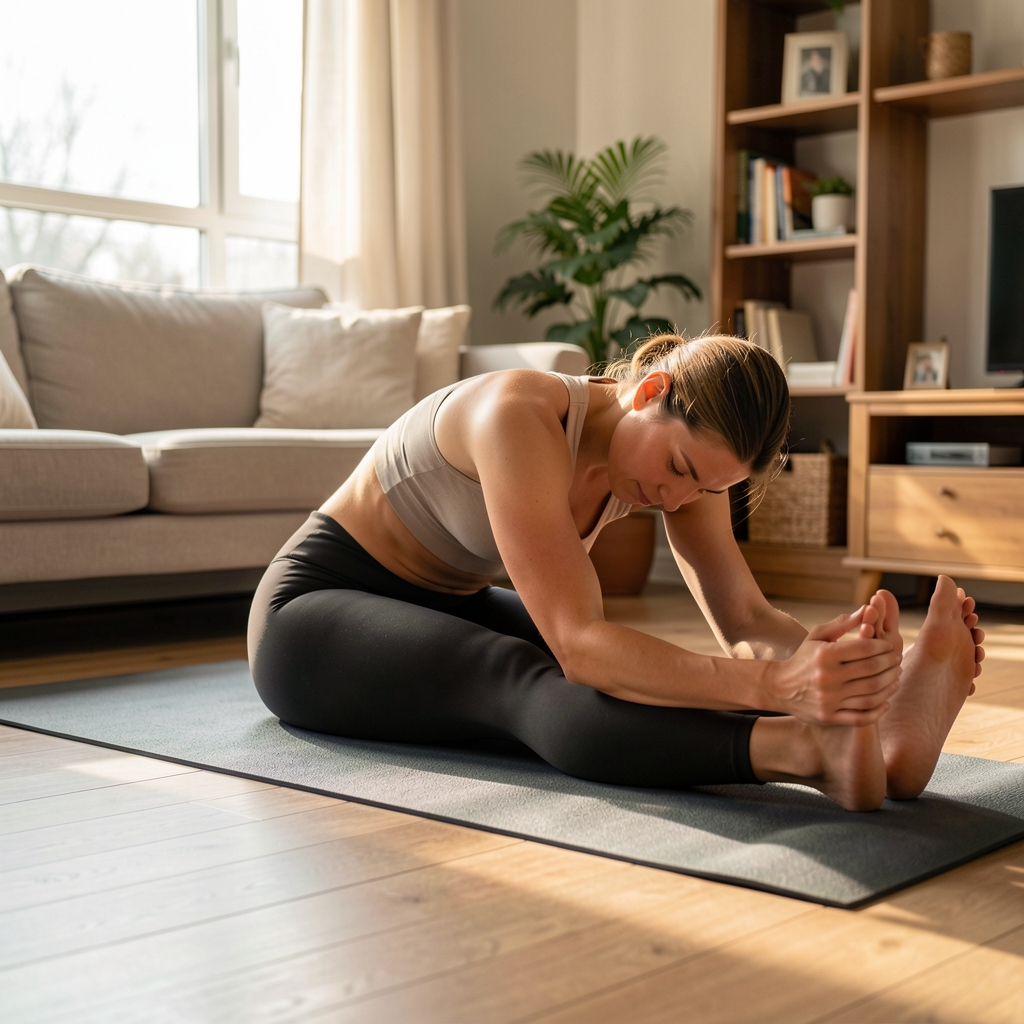
Dalmor Notebook is an independent editorial publication focused on everyday wellness practices. The publication is not affiliated with any commercial, governmental, or institutional body.
Articles published on Dalmor Notebook are editorial in nature and reflect the writers' observations on everyday wellness practices. The content is not intended as professional advice, nor as guidance for the management of any specific condition. Readers with specific concerns about their daily routines are encouraged to speak with a qualified wellness professional.