Dalmor.
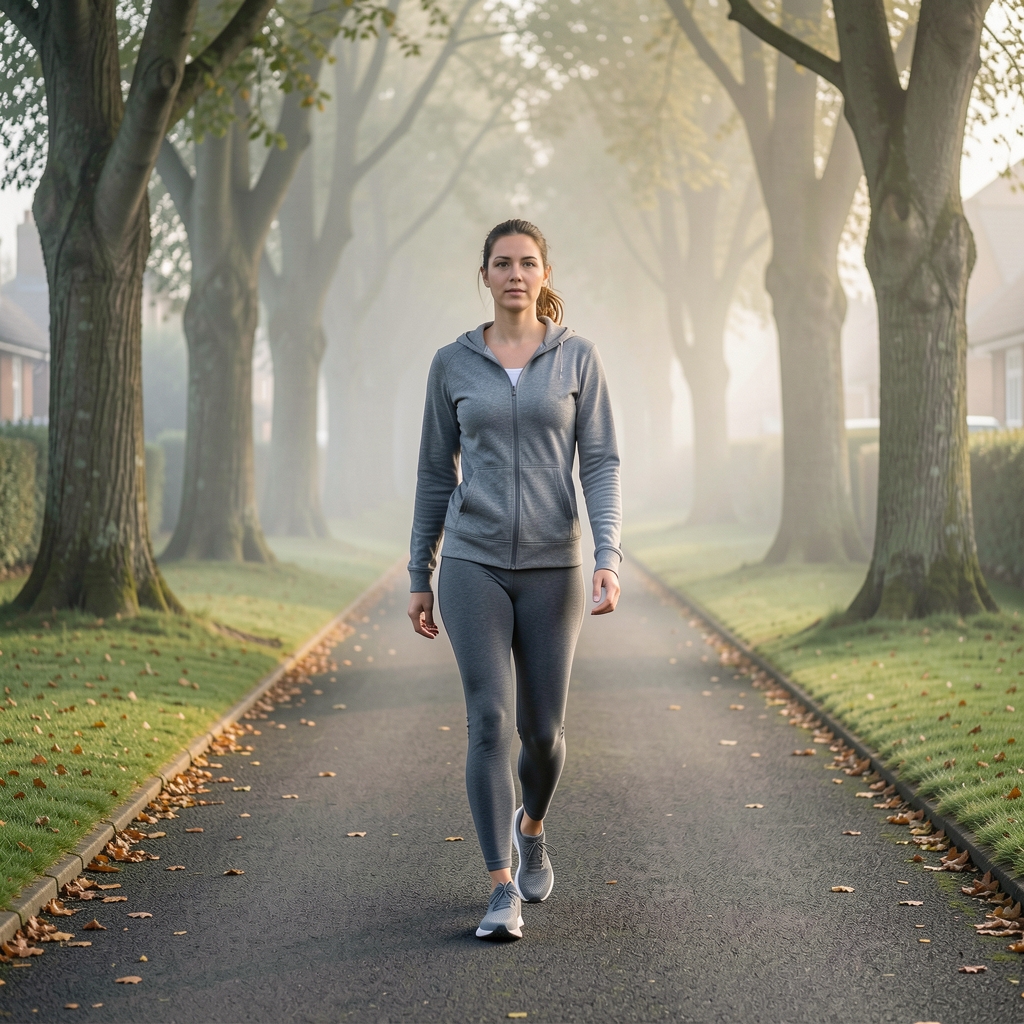
Early morning walker on a quiet London street, low golden light, relaxed pace, comfortable trainers, starting a fitness routine
01 — AN INDEPENDENT PUBLICATION

Motion at Every Level.

An independent record of first steps in active daily life — documenting home workouts, walking programmes, and beginner routines across the United Kingdom.

Published
London, 2026
Focus
Beginner Fitness & Daily Movement
Format
Editorial Long-Form
First Workout · Walking Programme · Bodyweight Session · Gradual Progression · Warm-Up Sequence · Weekly Training Plan · Active Lifestyle · Home Workout · Fitness Basics · Rest Day Protocol · First Workout · Walking Programme · Bodyweight Session · Gradual Progression · Warm-Up Sequence · Weekly Training Plan · Active Lifestyle · Home Workout · Fitness Basics · Rest Day Protocol ·
03
Articles Published
12+
Beginner Topics Covered
1,247
Monthly Readers
2026
Founded in London
03 — ABOUT THE PUBLICATION

Why We Document Beginnings

Dalmor Notebook began as a record-keeping project. The editors observed a gap in the available written record of what it actually looks and feels like to begin exercising — not at a performance level, but at the very first step.

The publication documents home workouts, walking programmes, and foundational movement habits. Each article is reviewed before publication and sourced from published exercise science literature. The approach is observational, not prescriptive.

About the Publication
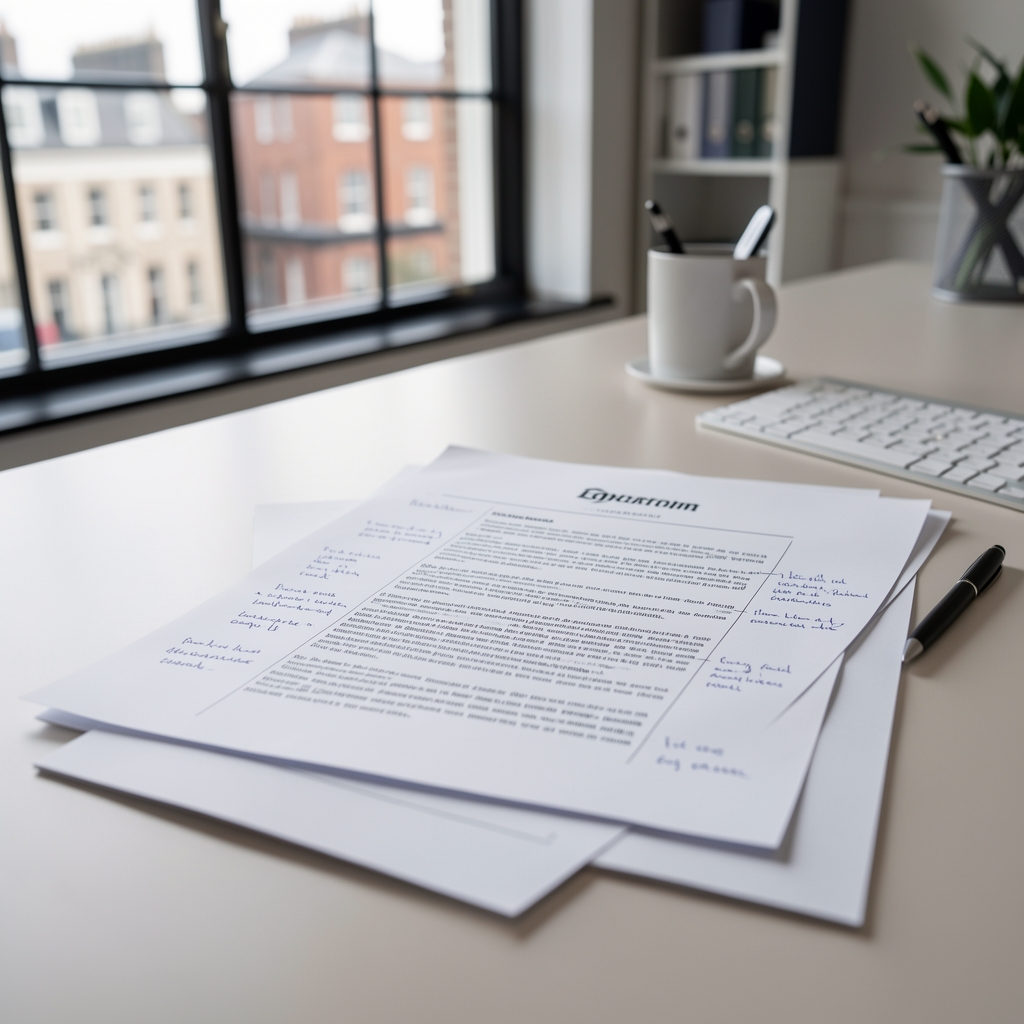
Two editors in a London studio reviewing printed articles at a wooden desk, natural light, notebooks and reference materials visible
London, January 2026
Editorial Review — Issue 01
04 — SUBJECT AREAS

What the Notebook Covers

Warm-Up Sequences Walking Routines Home Workouts Bodyweight Exercises Cardio Basics Strength Foundations Weekly Training Plans Gradual Progression Cool-Down Stretches Low Impact Activity Movement Habits Daily Activity Goals
05 — QUESTIONS

Frequently Asked

Observations drawn from reader correspondence and the publication's editorial process.

The published exercise science literature consistently supports two to three sessions per week as a starting point. This provides adequate stimulus for adaptation while allowing sufficient rest between sessions. The Dalmor Notebook editorial position is that beginning with two sessions per week and progressing to three over four to six weeks is a well-documented and widely observed pattern.

For those at the beginning of an active lifestyle, walking represents a well-supported low-impact activity. The evidence base for walking as a cardiovascular and metabolic foundation is substantial. Several articles in this publication document twelve-week walking progressions, noting that consistent daily step counts produce measurable improvements in endurance and movement capacity.

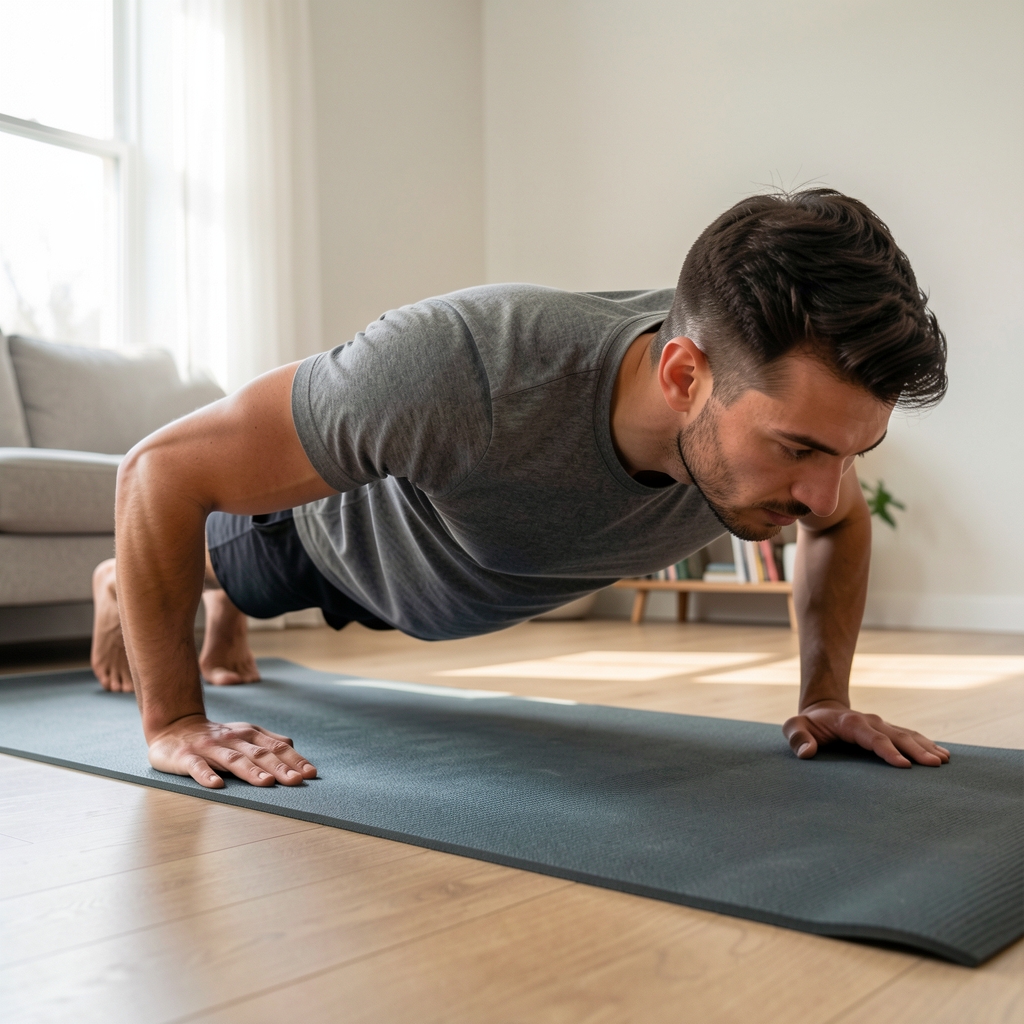
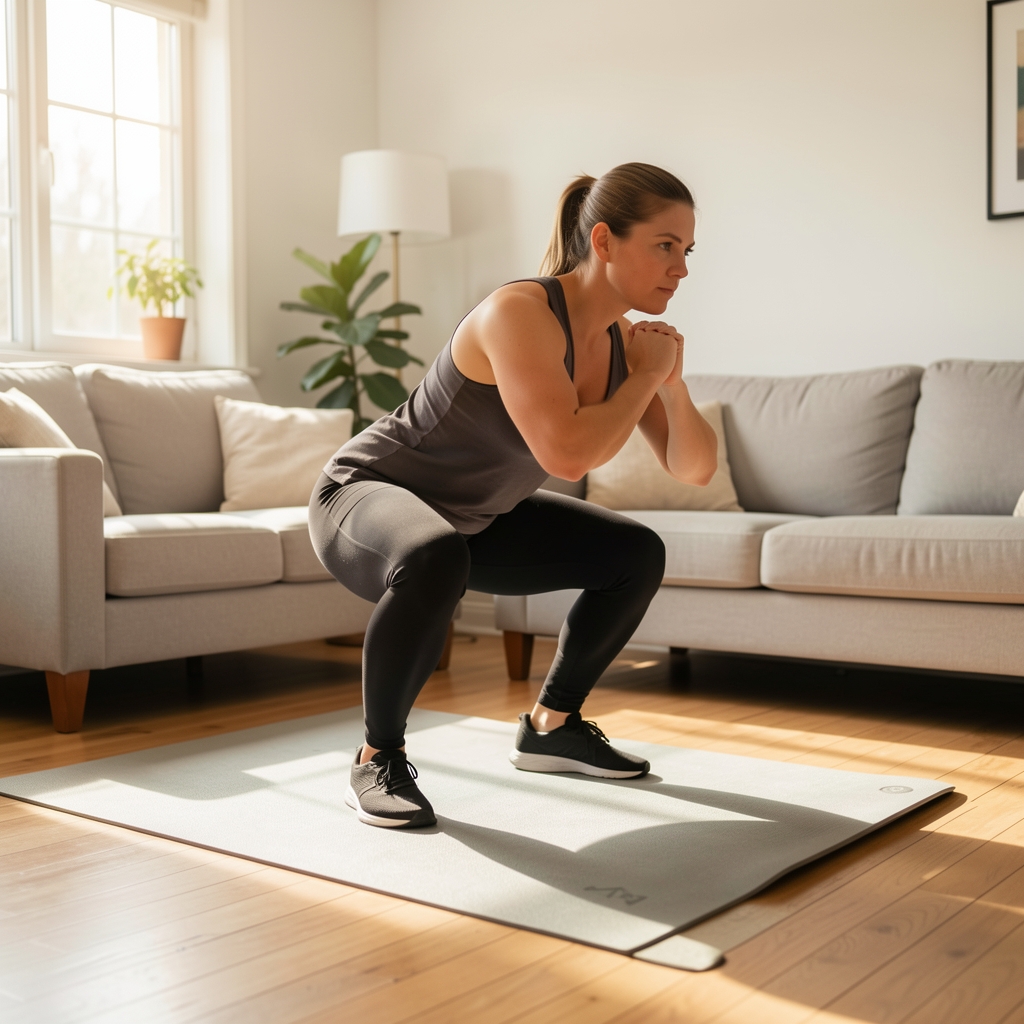
The bodyweight-focused programmes documented in this publication require no specialist equipment. An exercise mat, comfortable clothing, and adequate floor space are the recurring requirements across the beginner routines we have covered. Some progression-stage programmes introduce resistance bands or a pair of light dumbbells, but these are optional additions rather than prerequisites.

Each article is reviewed by a second editor before publication. Sources are noted where appropriate. Corrections are logged publicly and the article record is updated. Writers are asked to disclose commercial relationships that might influence subject selection. The full editorial standards are documented on the Methodology page.

The beginner programmes documented here typically run between twenty and forty minutes per session, inclusive of warm-up and cool-down. The warm-up sequence alone accounts for eight to twelve minutes. Shorter, consistent sessions have consistently outperformed longer sporadic sessions in the documented progression records we have collected.

06 — EDITORIAL NOTICE

Articles published on Dalmor Notebook are editorial in nature and reflect the writers' observations on everyday wellness practices. The content is not intended as professional advice, nor as guidance for the management of any specific condition. Readers with specific concerns about their daily routines are encouraged to speak with a qualified wellness professional.